
Parsha guides
The weekly Torah portion, explained
The Torah is divided into 54 weekly portions, called parshiyot. Each one is read in synagogue on Shabbat, and together they take us through the whole Torah every year. Start with a free guide below, or learn each parsha in 5 minutes a day with Lavi.
What is the weekly parsha?
Jewish communities around the world read the same Torah portion each week, so the whole Jewish people moves through the Torah together. Learning the parsha is one of the most popular ways to start learning Torah: it gives you a clear starting point, a weekly rhythm, and something to talk about at the Shabbat table.
Below are all 54 parshiyot, book by book. Guides marked Guide include a summary, key Hebrew words, big ideas and discussion questions.
Bereshit בְּרֵאשִׁית Genesis
The story of Creation, the Patriarchs & the journey to Egypt · 12 parshiyot
- BereshitGuideCreation, Gan Eden, Cain & Abel
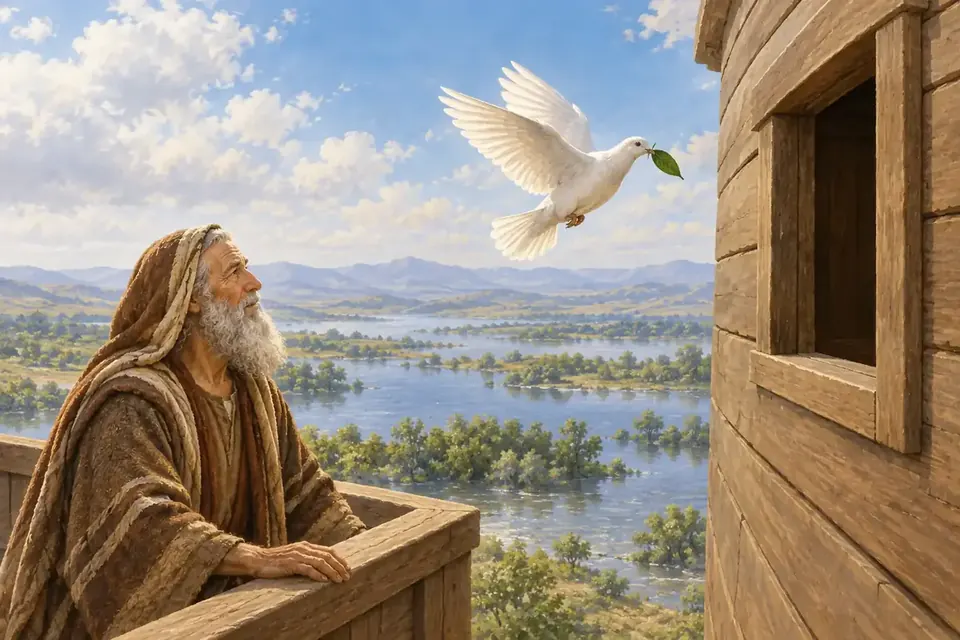
- NoachGuideThe ark, the rainbow & the Tower of Babel
- Lech-LechaGuideAvraham’s journey & covenant
- VayeraGuideHospitality, Sodom & the Akedah
- Chayei SarahSoonFamily & future
- ToldotSoonTwo brothers, one blessing
- VayetzeSoonDreams & ladders
- VayishlachSoonFacing the past
- VayeshevSoonJoseph’s coat & trouble
- MiketzSoonDreams in Egypt
- VayigashSoonReunion & forgiveness
- VayechiSoonFinal blessings
Shemot שְׁמוֹת Exodus
From slavery to freedom, the Torah at Sinai & the Tabernacle · 11 parshiyot
- ShemotSoonFrom slavery to hope
- Va’eraSoonSigns & strength
- BoSoonFreedom begins
- BeshalachSoonSea crossing & song
- YitroSoonThe Ten Commandments
- MishpatimSoonFair rules & justice
- TerumahSoonBuilding a holy space
- TetzavehSoonLight & leadership
- Ki TisaSoonMistakes & second chances
- VayakhelSoonWorking together
- PekudeiSoonThe work is complete
Vayikra וַיִּקְרָא Leviticus
Holiness, offerings, and living a sacred life · 10 parshiyot
- VayikraSoonComing close (offerings)
- TzavSoonDuties & discipline
- SheminiSoonJoy and consequences
- TazriaSoonLife, growth, care
- MetzoraSoonHealing & return
- Acharei MotSoonChoosing what’s right
- KedoshimSoonBe kind, be holy
- EmorSoonPriests & sacred times
- BeharSoonLand, rest, and reset
- BechukotaiSoonChoices & outcomes
Bamidbar בְּמִדְבַּר Numbers
Wandering in the desert — tests, growth & leadership · 10 parshiyot
- BamidbarSoonCounting & camps
- NasoSoonResponsibilities & blessings
- Beha’alotchaSoonLight, travel, complaints
- ShelachSoonThe spies’ report
- KorachSoonArguments & leadership
- ChukatSoonRules we don’t fully get
- BalakSoonBlessings, not curses
- PinchasSoonCourage & peace
- MatotSoonPromises matter
- MaseiSoonJourneys and stops
Devarim דְּבָרִים Deuteronomy
Moses’ farewell — remembering, choosing & moving forward · 11 parshiyot
- DevarimSoonMoses reviews the story
- Va’etchananSoonThe Shema & love
- EikevSoonGratitude and remembering
- Re’ehSoonChoosing the good path
- ShoftimSoonJudges and justice
- Ki TeitzeiSoonEveryday mitzvot
- Ki TavoSoonThanks for the land
- NitzavimSoonStanding together
- VayelechSoonKeep going
- Ha’azinuSoonA song to remember
- V’Zot HaBerachahSoonThe final blessing
Weekly parsha FAQ
What is a parsha?
A parsha (also called a parashah or sidra) is one of the 54 weekly portions of the Torah. One portion is read in synagogue each Shabbat, so the entire Torah is read every year.
How many parshiyot are in the Torah?
There are 54 parshiyot: 12 in Bereshit (Genesis), 11 in Shemot (Exodus), 10 in Vayikra (Leviticus), 10 in Bamidbar (Numbers) and 11 in Devarim (Deuteronomy).
Why are some parshiyot read together?
The Jewish year doesn’t always have enough Shabbatot for 54 separate readings, especially when holidays fall on Shabbat. In those years, some pairs, such as Vayakhel–Pekudei or Matot–Masei, are read together as a double portion.
When does the Torah reading cycle start?
The yearly cycle ends and begins again on Simchat Torah, when the last verses of Devarim are read and the Torah is started again from Bereshit. Parashat Bereshit is read on the following Shabbat.
What is the difference between the parsha and the haftarah?
The parsha is the weekly reading from the Torah itself. The haftarah is a shorter reading from the books of the Prophets (Nevi’im), read after the Torah portion and usually connected to its themes.
How can I learn the weekly parsha in a few minutes a day?
Split the portion into small pieces and read a little each day, focusing on a few key Hebrew words and one big idea. The Lavi app teaches each parsha in short, illustrated lessons with audio, quizzes and Torah Chat. It starts with Bereshit, Noach, Lech-Lecha and Vayera, with more on the way.

Start your Torah journey today
Five minutes. One verse. A habit for life. Download Lavi free and take your first step with a friendly lion by your side.